Last updated 2026-08-19
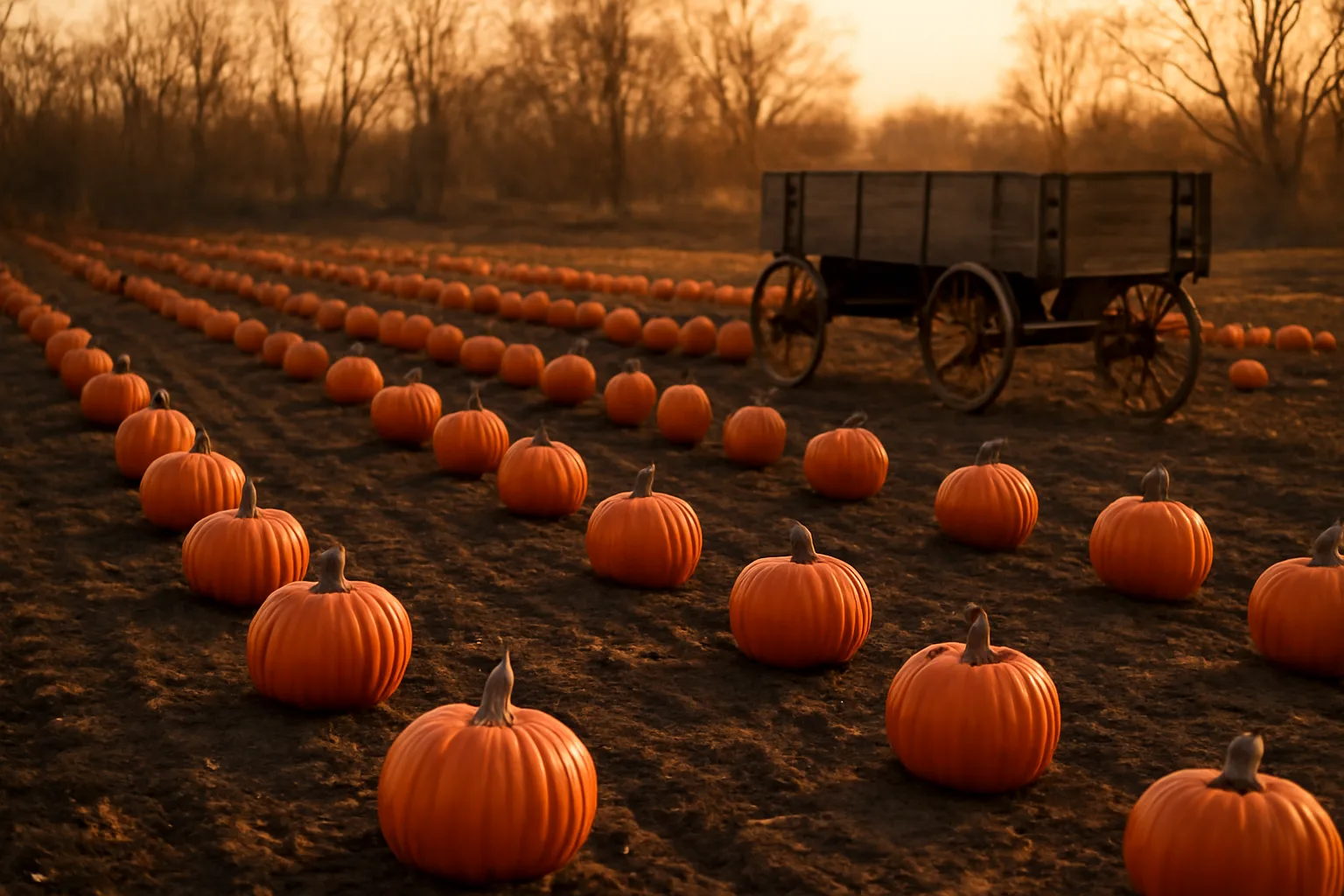
TL;DR
Delaware has no pumpkin patch board. You need a Division of Revenue business license if you sell, county zoning clearance, and a food permit only if you sell more than whole uncut pumpkins. There is no state sales tax and no local sales tax. Timing is the crop plus any zoning hearing. Confirm live fees with the agency that bills you.
Do you need a license for a pumpkin patch in Delaware?
Yes. Delaware does not sell a pumpkin-patch license, but you almost always need a Division of Revenue business license the moment the public pays you. You may also need county land-use approval. You need a food establishment permit only if you sell more than whole, uncut pumpkins. No single board stamps the words “pumpkin patch.” Confirm your license category with DOR before you take a dollar.
People search “pumpkin patch delaware” and expect one application. That is a national myth. The state taxes and licenses the business. The county decides whether visitors, parking, and hayrides belong on that parcel. Public Health only shows up when you handle food that is not a raw, whole crop.
Title 30 of the Delaware Code is the license statute. Chapter 21 sets the general rule that you do not carry on a covered business without a Department of Finance license. Chapter 29 is the merchant chapter if you retail tangible goods, and a pumpkin is tangible goods. [2]
File the DOR license in the same legal name you put on your flyers. If you later form an LLC, go back and fix the license. Do not wait until opening weekend. A license does not mean the county agrees with your parking plan.
Already farming and already holding a retailer or farm-market style license? Call DOR and ask whether this activity sits on that license or needs another category. I will not invent a category code for you. The live list is on the Division of Revenue business license page. [1]
Which board actually reviews a pumpkin patch in Delaware?
No one board reviews a pumpkin patch in Delaware. The Division of Revenue licenses the business. Your county planning office reviews land use. The Division of Public Health reviews food. The Department of Agriculture handles weights and measures and farmland preservation. The Department of Labor shows up if you have employees. You talk to each office for its own paper.
That split is why people get stuck. They treat DOR as a zoning board. It is not. They treat a food inspector as a ticket to open a hayride. That is not the inspector’s job.
Use Delaware One Stop to start the state business filing, then walk the county and health pieces yourself. One Stop is the state’s portal. It does not replace a New Castle, Kent, or Sussex land-use decision. [4]
Here is the stack I would map on one sheet of paper before I ordered seed.
| Paper | Who issues it | When you need it |
|---|---|---|
| Division of Revenue business license | State Division of Revenue | Almost always, if you sell |
| Gross receipts filings | Division of Revenue | After you have a merchant-style license |
| Zoning, conditional use, or event clearance | New Castle, Kent, or Sussex | If public agritourism is not already allowed on the parcel |
| Food establishment permit | DPH Office of Food Protection | Cider, donuts, cut produce, meals |
| Weights and measures | Department of Agriculture | If you sell by weight |
| Workers’ compensation / employer accounts | Department of Labor and your carrier | If you have employees |
Want a side-by-side of how another state splits the same stack? The pumpkin patch board in Connecticut writeup is the closest Mid-Atlantic cousin in this series.
How much does a pumpkin patch cost in Delaware?
The state license is the cheap line. Title 30 has long put many occupational and retailer license fees at $75, but you confirm the live amount and your category on the Division of Revenue fee list before you pay. The real first-year cost is land, the crop, insurance, parking, toilets, and labor. Nobody publishes a clean Delaware pumpkin-patch startup dataset. I will not fake one.
Own tillable ground already zoned for this use? Cash cost can stay in the low thousands for a small u-pick on a few acres. Seed, fertilizer, a sprayer you already have, hand-painted directional boards, rented toilets, and a weekend crew. Add irrigation from scratch, imported gravel, wagons, a tent, paid ads, and a custom ticketing toy, and people blow past $20,000 without trying. That is a practitioner range, not a university budget.
Land price is the swing factor. New Castle County ground near the I-95 corridor is a different planet from inland Sussex. I would not buy New Castle acreage just for six October weekends. Rent, or use land you already farm. Sussex and southern Kent are where most of the public already drives for fall stops.
Insurance is the line first-timers underprice. A public patch is not a back-field pumpkin row. Get a farm or agritourism liability quote from someone who has written hayrides and u-pick, not a cheap general policy you found at 11 p.m. I will not invent a premium. Get two quotes.
Delaware has no sales tax on the pumpkins or the tickets, which keeps your posted price clean. You still owe whatever gross receipts tax attaches to your DOR category, after whatever exclusion DOR is using this year. Read the current GRT instructions. Do not copy a rate from a Facebook group. [1][3]
Waste of money, in my view: a custom app, a permanent kitchen for year one, and imported “decorator” fruit you cannot grow. Spend on gravel, toilets, shade, and a person who can count cars at the entrance.
How long does a pumpkin patch take in Delaware?
The crop takes most of a season. Jack-o’-lantern types commonly run about 90 to 120 days from planting to a Halloween market. In Delaware you usually plant in June so fruit is ready in September and October instead of rotting in August heat. University of Delaware Cooperative Extension is the local place that points commercial growers at Mid-Atlantic vegetable timing. Confirm the year’s planting window with them, not with a national blog. [9]
The license is not the long pole. Delaware One Stop is built so you can start the business filing online. I will not promise a processing time. Those change, and a missing document resets the clock. File early and keep the receipt.
Zoning is the piece that can eat a calendar year. If your district already allows a farm stand and u-pick, you may only need a conversation and a site sketch. If the county wants a conditional use, special event permit, or traffic note, you are on a hearing schedule. Miss the submittal cutoff and you wait for the next cycle. That can push you past planting.
I would not plant five acres of paid-admission pumpkins on a parcel whose public use is still “we’ll see in August.” Grow a small crop you can sell at an existing stand if the hearing slips. Expand the maze and the ticket gate after the county paper is in the folder.
Food permitting adds an inspection when you add a kitchen. Build that into the summer, not the week the donuts arrive. DPH does not exist to rescue a Facebook event date. [5]
What paper do you file before you sell the first pumpkin?
File the state business license, get a written read from county planning on that specific tax parcel, and settle the food question in writing. Then insurance. Then, if you have staff, labor accounts. That is the order I would use.
Start at Delaware One Stop and the Division of Revenue business license application. Use the legal name that will be on checks and on the waiver clipboard. Keep a PDF of the license in the same folder as the county email. [1][4]
Call or email the county planner with the parcel ID, a simple site plan (parking, entrance, crop, toilets, any tent), and a plain description: u-pick pumpkins, weekends, September through October, estimated cars. Ask whether the use is permitted, accessory to agriculture, or needs a hearing. Get the answer in writing. New Castle uses the Unified Development Code. Kent uses Planning Services. Sussex uses Planning and Zoning. [6][7][8]
IRS Publication 225 is the federal tax book for the farm side. It says, in its farming chapter, “You are in the business of farming if you cultivate, operate, or manage a farm for profit, either as owner or tenant.” If this is a hobby plot you pour money into with no profit motive, your tax picture is different. Read Pub 225 or sit with a preparer who does Schedule F. I am not your tax advisor. [11]
Selling by the pound? Call Delaware Department of Agriculture Weights and Measures before you hang a scale. If you sell by the pumpkin, by the wagon, or by a flat admission, you are usually in count-or-fee territory, not a scale program. Confirm it. Do not guess. [13]
Does Delaware charge sales tax on pumpkin patch tickets and pumpkins?
No state sales tax. No local sales tax. That is the rare clean fact in this whole stack. The Tax Foundation’s state sales tax tables put Delaware at a 0% statewide rate, and Delaware does not pile on city or county sales tax the way some states do. Tax Foundation states it plainly: “Five states do not have a statewide sales tax: Alaska, Delaware, Montana, New Hampshire, and Oregon.” [3]
You still collect money, and the state still wants its cut through the business license and gross receipts system. Price the pumpkin as a round number. You do not need a sales-tax line on the ticket. You do need to know whether GRT applies to that receipt and when the return is due.
I would still print the price big. Visitors from Maryland and Pennsylvania arrive expecting tax at the window. A small “Delaware has no sales tax” line on the chalkboard saves arguments. That is operations, not law.
Out-of-state cards and out-of-state fruit do not create a Delaware sales tax. They can create a sourcing mess if you also sell online into states that do have sales tax. Keep the patch register separate from any interstate web shop.
Do you need a Delaware food permit for whole pumpkins?
Usually no, if you only sell whole, uncut pumpkins you grew or bought as raw agricultural product and you offer no samples, cider, baked goods, or cut squash. The Office of Food Protection at the Division of Public Health permits food establishments. A field of intact pumpkins is not a kitchen. The line moves the minute you plug in a fryer or ladle cider. [5]
Get that in an email from DPH or from the county environmental health contact they point you to. Write it out: whole pumpkins only, no samples, bottled water maybe. Ask what happens if you add donuts in year two. Keep the reply.
Cider, pies, pulled pork, and caramel apples are food. So are cut pumpkin pieces and roasted seeds you bag on site. Those pull you into the food code, a sink conversation, and an inspection. That is fine. It is just not a last-week-of-September surprise.
A prepackaged candy bag from a licensed plant is a different fact pattern than a kettle you stir in a tent. Do not let a vendor “just show up” with a smoker. Their permit and your permit are not the same document. Ask DPH how a guest vendor sits on your site.
Restrooms and handwash for the public are a county and health hygiene issue even when you are not a restaurant. Rent enough toilets. One unit for a Saturday rush is how you earn a one-star review and a neighbor complaint about the tree line.
How do New Castle, Kent, and Sussex zoning boards treat a pumpkin patch?
They treat it as land use, not as agriculture theater. If the parcel is already in an agricultural district and you sell what you grow, many planners will talk about a farm stand or an agritourism accessory use. Import every pumpkin, add inflatables, charge admission, and run night events, and you look like a commercial attraction. That is when hearings appear.
New Castle County Department of Land Use administers the Unified Development Code. Ask about the zoning district, parking, access on a state or county road, and whether a temporary tent needs a separate permit. Do not assume “it is a farm, so October is fine.” [6]
Kent County Planning Services is the office for central Delaware parcels. Same questions. Bring the parcel ID. Ask about events, portable structures, and whether a change of use triggers when you go from wholesale bins to public u-pick. [8]
Sussex County Planning and Zoning covers the southern county where a lot of weekend traffic already exists. Road access and parking overflow onto two-lane state roads are the fights I would expect, not the pumpkins themselves. Ask about setbacks from the right-of-way and whether you need an entrance permit from DelDOT if you cut a new curb cut. [7]
Walk the site with a planner before you order 40 portable toilets. A gravel pad in the wrong setback is expensive to move. Lighting for night pick is another trigger. If you only operate in daylight, say that in the letter.
Municipal limits matter. A parcel inside a town may sit under a town code, not the county UDC. Check the address against the town boundary before you call the county.
What happens if you hire people or spray the field?
Employees pull you into Department of Labor territory. Workers’ compensation is not optional folklore. Delaware’s workers’ comp program sits in the Department of Labor’s Industrial Affairs division. If you pay people, even high school kids on Saturdays, ask a Delaware employment lawyer or a farm payroll shop what accounts you need. I will not invent a headcount threshold. [15]
Pesticides pull you into the federal Agricultural Worker Protection Standard if you use covered products and have workers or handlers. EPA says the WPS “is aimed at reducing the risk of pesticide poisoning and injury among agricultural workers and pesticide handlers.” That means training, posted information, and restricted-entry intervals, not a vibe. Never spray? Short conversation. Spray often? Budget time. [12]
Keep a simple roster: name, dates, job, emergency contact. Waivers do not replace workers’ comp. A volunteer day is its own mess. Get advice before you call neighbors “volunteers” to dodge payroll.
CornMazePath sells a $149 one-time Liability + Parking + Ticket Kit at /start if you want waiver, parking, and ticket templates to edit. It is paper you adapt. It is not a Delaware license, not insurance, and not a county approval.
Kids in the field with parents are visitors, not staff. Staff are the people you direct. Train them on wagons, the driveway, and heat. Most ugly days at a patch are driveway and parking problems, not pumpkin problems.
Can you open a pumpkin patch on preserved farmland in Delaware?
Maybe, and you do not guess. Delaware’s Agricultural Lands Preservation Program buys development rights. The deed restrictions are real. Some visitor activities fit “agriculture.” Some look like a commercial park the easement was meant to block. The Department of Agriculture’s aglands office is the board that can tell you what your specific easement allows. [14]
Send them the easement book and a one-page description before you advertise a haunted night. A u-pick of a crop you grew is an easier conversation than a carnival. Imported pumpkins on preserved land are a sore spot in a lot of states. Ask.
Right-to-farm language in Title 3, Chapter 14 is about nuisance claims against an agricultural operation that has been running more than a year, not a free pass for traffic on a Sunday. Read the chapter. It will not rezone you. It will not pave your entrance. Confirm how it applies with counsel if a neighbor is already writing letters. [15]
Land not preserved but sitting in an ag district? You still have the county. Preservation and zoning are two locks. Opening one does not open the other.
I would not put permanent ticket booths or a gravel racetrack of a parking lot on preserved ground without that letter. Temporary, small, crop-first is the posture that usually ages better.
What first-year operations waste money in Delaware?
A permanent kitchen. A custom ticketing platform. Night lighting you do not have permission to use. A wall of pale carving pumpkins you could have contracted from a regional grower with a phone call. My list is short because October is short.
Toilets, water, shade, and a sane driveway are not glamorous and they are not optional. Rent the toilets. Pump them mid-weekend. Put a person at the entrance with a radio, and more than a bucket.
Delaware weather in late October can be kind or it can be a nor’easter. Have a mud plan. A $12 roll of trash bags and a tow strap have saved more Saturdays than a branded sailcloth tent.
The 2022 Census of Agriculture is the official federal count of Delaware farms and of vegetable sales at the state level. It will not give you a pumpkin-patch profit model. Some commodity cells for a small state get withheld so one farm is not identified. Use it for context, not for your loan committee romance. [10]
Grow what you can sell in six weeks, and pre-sell school trips only after the county email is in hand. A sold-out Saturday you cannot legally park is worse than a quiet opening.
How does the Delaware paper path compare with other states?
Delaware is simpler on tax at the register and pickier than people expect on county land use. You skip sales-tax configuration. You do not skip planners. Coastal traffic in Sussex can look more like a tourism file than a farm file.
Compare that with a huge production state. The pumpkin patch board in Illinois path sits next to real pumpkin acreage and a different tax stack. California’s pumpkin patch board notes run through a much heavier county environmental health culture. Florida is a different climate and a different season. You are not planting a Delaware June crop on a Florida calendar.
Closer in scale, Colorado and Georgia help when you want to see how other states split agritourism from retail. Alabama’s licensing path is another small-state reminder that “no special pumpkin license” is common, and that the county is still the veto.
Steal operating ideas from those pages and still file Delaware paper. Copying an Illinois sales-tax setting into a Delaware POS is how you look sloppy at the window.
What should you confirm with each board before you plant?
Confirm the DOR category and the current license fee. Confirm whether GRT filings apply and what exclusion they are using. Confirm with the county planner, in writing, that public u-pick and your parking count are allowed on that parcel this year. Confirm with DPH if anything other than whole pumpkins will be sold. Confirm with DDA if you have a scale or an aglands easement. Confirm with your insurer that visitors, wagons, and parking are on the policy.
Write the questions as yes/no plus a name. “Does tax parcel X allow a paid weekend u-pick with N cars in district Y without a conditional use?” is a better email than “thinking about a pumpkin patch.”
I do not give approval timelines. I do not give quota numbers. If someone on the internet quotes a two-week DOR turnaround, ignore it. Ask the agency that has your file.
CornMazePath is an independent publisher, not a law firm and not a service company. Use /start only if you want those templates after the boards have answered you. The useful work is the phone calls and the parcel ID.
Plant after the paper folder exists. A beautiful June stand that you cannot legally park in October is just compost.
Frequently asked questions
Do you need a license for pumpkin patch in Delaware?
Yes. You do not get a special pumpkin license, but selling to the public almost always requires a Division of Revenue business license. County zoning clearance is separate. A food permit is separate and usually only applies if you sell more than whole uncut pumpkins. Confirm the category on the DOR business license page before you take payment.
How much does pumpkin patch cost in Delaware?
The state license fee is small next to land, crop, insurance, parking, and toilets. Title 30 has long listed many license fees at $75, but you confirm the live fee with DOR. On ground you already own, a tiny u-pick can stay in the low thousands. Add gravel, wagons, and ads and people cross $20,000. Nobody publishes a solid Delaware startup series.
How long does pumpkin patch take in Delaware?
The plants take about 90 to 120 days, with a typical Delaware planting in June for a September, October sale. The DOR license is an online filing through One Stop, with no time I will promise. County hearings, if required, can push you past planting if you start late. File land-use questions before you order seed.
Is there a Delaware pumpkin patch board I apply to?
No. That phrase is a search habit, not an agency. Division of Revenue licenses the business. New Castle, Kent, or Sussex reviews the land. Public Health reviews food. Agriculture handles scales and preservation easements. Labor handles employees. You assemble a folder, you do not wait for one board vote.
Do I need a food license to sell cider and donuts?
Yes, treat cider, donuts, meals, and cut produce as food. The Office of Food Protection at the Division of Public Health is the shop. Whole uncut pumpkins are usually outside that permit. Get the split in writing before you advertise a food menu. Guest vendors need their own conversation with DPH, not a handshake in your driveway.
Does Delaware charge sales tax at a pumpkin patch?
No. Delaware has no state sales tax and no local sales tax. The Tax Foundation lists Delaware among the states with no statewide sales tax. You may still owe gross receipts tax on taxable receipts under your DOR license. Confirm the current GRT rate and exclusion with Division of Revenue, not with a blog.
Can I run hayrides and a corn maze on the same license?
The DOR license is about the business activity, not each attraction. The county cares a lot more. Hayrides, night events, and a maze change parking, lighting, and sometimes the use classification. Ask planning about each activity. Ask your insurer the same day. Do not assume a pumpkin retailer license blesses a night ride.
Do I need workers' comp for weekend high school help?
If they are employees, you are in Department of Labor and workers’ compensation territory. I will not invent a headcount cutoff. Ask a Delaware employment lawyer or a farm payroll provider before the first paid Saturday. Calling paid kids “volunteers” is how people get hurt twice. Keep a roster either way.
Will right to farm stop a neighbor complaint about traffic?
Do not count on it. Title 3, Chapter 14 is a nuisance statute for agricultural operations that have been running more than a year, not a traffic permit. A new ticket gate on a narrow road is still a county and neighbor problem. Talk to planning about access. Be decent about dust and headlights.
Can I put a pumpkin patch on land in the Agricultural Lands Preservation Program?
Only if your easement allows that visitor use. Call the Department of Agriculture aglands office with the deed restriction and a plain description of u-pick, parking, and any imported fruit. A crop you grew is an easier fact pattern than a carnival. Get the answer in writing before you buy ads.
Do I need a weights and measures inspection?
If you sell by weight, yes, talk to Delaware Department of Agriculture Weights and Measures before you hang a scale. If you sell by the pumpkin, by the wagon, or by flat admission, you are often outside a scale program. Confirm your exact method. Do not borrow a grocery scale and hope.
Should I form an LLC in Delaware first?
Many people do, because visitors on a farm are a liability fact, and Delaware entity filings are straightforward. An LLC does not replace the DOR business license or county zoning. File the entity, then put the license in the entity name. This is not legal advice. A short talk with a Delaware lawyer is cheaper than mixing personal and patch money.
What insurance limits do patches usually carry?
I will not invent a limit or a premium. Ask a farm insurer who has written u-pick and hayrides. Tell them your acreage, expected cars, wagons, and whether night events exist. Get two quotes. A cheap general policy that excludes amusement-style exposures is a bad bargain. Match the certificate to what the county or a school trip may request.
Can I sell out-of-state pumpkins at a Delaware patch?
Often yes as a retailer, and that can change how planners and neighbors see you. A farm selling its own crop is a stronger zoning story than a lot full of trucked-in fruit. Food rules still follow what you do to the pumpkin, not the state on the bin tag. Say so in the county email if most of the fruit is bought in.
Sources
- Delaware Code Title 30, Chapter 21, General Provisions Concerning Licenses: Title 30 requires a Department of Finance license before carrying on a covered occupational or business activity.
- Tax Foundation, State Sales Tax Rates: Delaware has no statewide sales tax and is listed among the five states without a statewide sales tax; it also does not impose local sales taxes.
- State of Delaware One Stop business portal: One Stop is Delaware’s official online portal for starting a business and beginning state licensing filings.
- Sussex County Planning and Zoning: Sussex County Planning and Zoning is the land-use review office for unincorporated Sussex parcels.
- Kent County Department of Planning Services: Kent County Planning Services reviews planning and zoning matters for unincorporated Kent County.
- USDA NASS, 2022 Census of Agriculture, Delaware state report: The 2022 Census of Agriculture is the official federal statistical report for Delaware farm counts and agricultural sales, with some commodity cells withheld.
- IRS Publication 225, Farmer’s Tax Guide: IRS defines being in the business of farming as cultivating, operating, or managing a farm for profit as owner or tenant.
- U.S. EPA, Agricultural Worker Protection Standard (WPS): The federal WPS applies to agricultural employers using covered pesticides and is aimed at reducing pesticide poisoning and injury among workers and handlers.
- Delaware Department of Agriculture, Weights and Measures: Delaware DDA Weights and Measures regulates commercial weighing devices used to sell commodities by weight.
- Delaware Code Title 3, Chapter 14, Agricultural operations / nuisance: Title 3, Chapter 14 limits nuisance claims against qualifying agricultural operations that have been in operation more than one year.