Last updated 2026-08-19
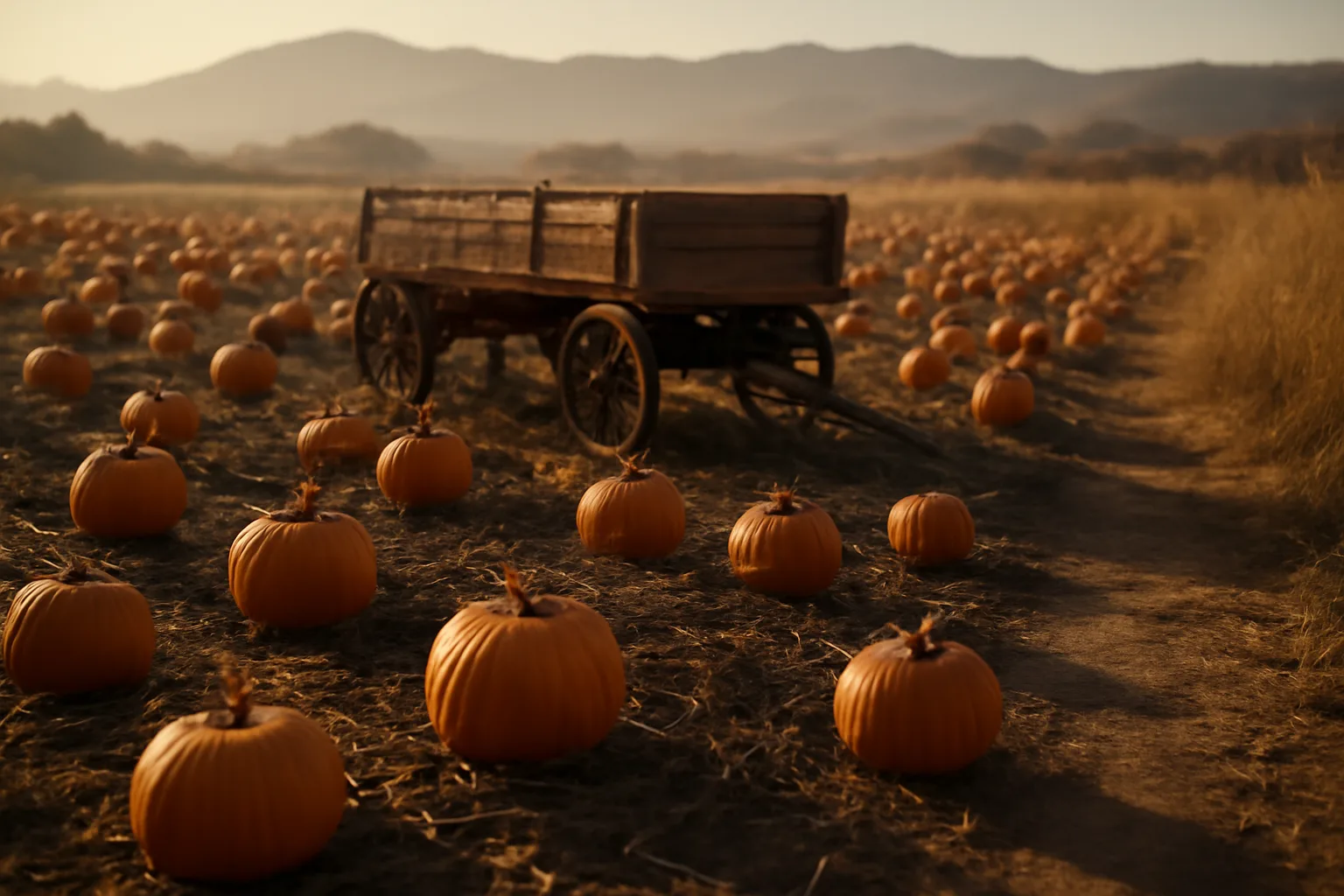
TL;DR
Colorado does not issue a standalone pumpkin patch license. You still need a sales tax license to sell pumpkins or tickets. Food, water, dealer, ride, and zoning rules kick in based on what you run. The crop takes about 90 to 120 days after planting. Entity and tax paper can be days. Zoning and water can take months. Confirm fees with each board.
Do you need a license for a pumpkin patch in Colorado?
No. Colorado does not issue a single pumpkin patch license. You still need ordinary business and tax paper, and you may need extra licenses if you sell prepared food, buy in produce, run rides, or serve drinking water to the public. Confirm each item with the board that owns it.
People keep asking this because Facebook groups talk like there is a secret agritourism permit. There is not. A pumpkin patch Colorado operation is a farm retail and visitor setup sitting on top of regular state rules. The license question is really a stack question.
If you only grow pumpkins and sell whole fruit in the field, your core statewide paper is usually an entity filing plus a sales tax license. Colorado Department of Revenue says retailers who sell tangible personal property need that sales tax license before they sell.[1] Pumpkins are tangible personal property. So are mugs, candy, and most merch.
Food changes the stack. Cut fruit, hot cider, kettle corn, and a doughnut trailer pull in retail food rules under the Colorado Department of Public Health and Environment and your county health department.[4] A well tap that the public drinks from can pull in drinking water rules.[5][6] Buying extra bins from other growers can pull in Colorado Department of Agriculture farm products dealer rules.[8] A bounce house can pull in the amusement ride program.[11]
I would not call the Secretary of State and ask for a pumpkin license. You will waste a morning. Call the county planner first, then file the boring tax paper, then add only the boards your actual attractions trigger.
Skip anyone selling a “Colorado pumpkin patch permit package” that promises approval. No board sells that, and nobody can honestly guarantee timing.
Which Colorado boards actually touch a pumpkin patch?
The boards you actually meet are the Colorado Secretary of State for the entity, the Department of Revenue for sales tax, your county planning office for land use, and then only the extras your attractions trigger. Health, water, agriculture, labor, and amusement ride offices show up when you add food, taps, hired crews, bought-in fruit, or devices.
That is the whole map. No mythic pumpkin board. A short list of offices that do not talk to each other.
| Paper or review | Usually in play when | Confirm with |
|---|---|---|
| Entity filing (LLC or corp) | You want a separate business entity | Colorado Secretary of State[13] |
| Sales tax license | You sell pumpkins, merch, or taxable admissions | Colorado Department of Revenue[1] |
| Retail food license | You sell prepared food or cut produce | County health and CDPHE[4] |
| Public water system | A well serves 25 or more people for 60 or more days | CDPHE drinking water[5][6] |
| Farm products dealer | You buy produce from other growers for resale | Colorado Department of Agriculture[8] |
| Scale inspection | You sell by weight on a commercial scale | CDA Measurement Standards[7] |
| Amusement rides | Inflatables or other regulated devices | Oil and Public Safety[11] |
| Land use / access | Parking lots, retail in that zone, highway access | County planning, sometimes CDOT |
Print that table. Take it to the county annex. Ask which rows they actually enforce on your parcel. Rules in Weld are not rules in Boulder, and a town parcel is not an unincorporated ag quarter.
If you like comparing stacks, the Arizona pumpkin patch board path and the Idaho pumpkin patch board path are useful because both are western, county-heavy systems. Do not copy their forms. Copy the habit of listing boards before you grade a driveway.
How much does a pumpkin patch cost in Colorado?
There is no honest statewide startup price for a pumpkin patch in Colorado. Land, irrigation, and insurance dwarf state filing fees, and those three numbers swing hard by county and water share. Confirm every government fee on that board’s current fee page. Do not trust a blog quote.
I will not invent a turnkey budget. Nobody has a clean public Colorado pumpkin patch enterprise budget that matches pick-your-own plus parking plus portable toilets. The closest hard numbers you can take to a banker are tax rates and your own written quotes.
Colorado state sales tax is 2.9 percent, and local districts stack on top of that.[2] That is not your cost to open. It is a pass-through you still have to collect and file. Entity filing fees at the Secretary of State are small next to a gravel lot. Confirm the current amount on the SOS business fee list before you card it.[13]
The real checks I would write first year are seed or transplants, drip or ditch water, liability insurance with an agritourism conversation, portable toilets, a gravel or mowed parking field, and wages if you hire. A well drill or a paved lot can blow up a year-one plan. I would not pave. I would not build a gift barn.
Attractions are where people light money on fire. Inflatables need OPS paper and inspections in Colorado if they sit in that program.[11] They also need staff who actually watch the thing. A wagon you already own is cheaper and usually enough.
Lease vs own changes everything. A cash-rent corner with a ditch share and a willing landlord can be a first year. Buying 40 acres on the Front Range to “get into pumpkins” is a land deal, not a pumpkin deal. Price the water, not the Instagram row.
Insurance is not optional in my book even when 13-21-121 helps on inherent risks.[3] The statute does not pay medical bills. Get a farm or commercial quote that names visitors, parking, and hayrides if you run them. Premiums vary. I will not fake a range.
Waste of money: custom neon, a POS you do not understand, and out-of-state “pumpkin patch consultant” binders. Spend it on toilets, a rope line for the lot, and enough fruit that Friday night does not wipe the field.
How long does a pumpkin patch take in Colorado?
Plan the crop on a 90 to 120 day clock after a post-frost planting, and plan the paper on two clocks. Entity and sales tax paper can be days if the filing is clean. Zoning, access, and drinking water reviews can take months. Confirm processing times with each board. Nobody should promise you a date.
Pumpkins are warm-season fruit. CSU Extension’s vegetable planting guide treats them as a crop you set after frost danger, not a March hero crop.[12] On the Front Range that often means mid to late May. Mountain counties run later. A 100-day variety planted May 25 is a Labor Day to early October field if the frost holds. An early September hard freeze can end you while the fruit is still green.
That is why elevation is not a vibe. It is the calendar.
Paper time is separate. Secretary of State entity filings are designed as an online process.[13] Sales tax licensing runs through Revenue.[1] Both can be quick. They can also stall if the FEIN, address, or ownership line is messy. I would file them in winter, not the week before opening.
County land use is the sleeper. If pick-your-own and parking are already allowed in your zone as an agricultural or farm-stand use, you may only need a conversation and a site sketch. If the planner wants a special use permit, neighborhood notice, or a traffic memo, you are on a months-long clock. Start that call in January for a September opening. Starting in July is how people open with three portable toilets and an angry sheriff on the county road.
Drinking water is slower than almost anything else if you trip public water system status.[5][6] Year one, I would avoid serving well water from taps. Bottled water and a clearly closed hose bib is uglier and faster.
Crop plus paper means a serious first season is a 10 to 12 month project if you are starting from bare dirt. If the field is already in vegetables and the driveway already works, you can compress that. You cannot compress frost.
What paper should you file before you plant?
File the entity and the sales tax license before you take money, and talk to county planning before you grade parking. Planting can start once frost risk is acceptable and you know the parcel can legally host visitors. Confirm current forms and fees with those offices. Do not treat this as a filing calendar I can guarantee.
Order of operations I actually like: county planning conversation, entity, FEIN from IRS, sales tax license, insurance quote, then seed. Labor accounts come in before you hire. Food, dealer, ride, and water paper only if those facts are real.
Colorado Secretary of State is where you file articles for an LLC or corporation.[13] Sole props can skip that and still owe tax licenses. I still like an LLC for a visitor farm, because parking lot claims are ugly. I am not your lawyer. I am telling you what I would do with my own name on the gate.
Revenue’s sales tax license is the one people skip because “we’re a farm.” Growing it does not make the retail sale disappear.[1] Apply with the same legal name you put on the bank account. Use the actual patch address as a location when the form asks.
If you spray anything stronger than a homeowner product, ask CDA whether you need an applicator credential before the tank is mixed.[14] EPA’s Worker Protection Standard can apply when you use agricultural pesticides and have workers or handlers.[14] A first-year pick-your-own that never sprays still needs to know this exists, because the minute you hire a July hoe crew and pull a restricted product off the shelf, the fact pattern changes.
Weights are simple. Sell by the pumpkin and you may never meet a metrologist. Sell by the pound and your scale sits in CDA Measurement Standards territory.[7] Confirm before you hang a “$0.49/lb” board you painted in the shop.
Does pick-your-own need a Colorado retail food license?
Usually no, if you only sell whole, uncut pumpkins and you are not preparing food. Yes, or at least a serious health-department conversation, if you cut, cook, cider, or run a kitchen. Confirm with your county retail food program and CDPHE, because the license follows the food, not the word pumpkin.
CDPHE runs the statewide retail food framework and counties do the local licensing and inspection.[4] Whole produce in a field is a different animal than a doughnut fryer under a tent. People blur that on purpose.
I would keep year one ugly and clean. Whole fruit. Prepackaged water and candy from a commercial supplier if you even want snacks. No open cider kettle. No pumpkin-chunk ice cream you “just whipped up.” That stuff is how a Saturday becomes a stop-sale.
If you later want cider and pie, budget the commissary or licensed kitchen path first. Do not assume a farmhouse sink counts. It does not.
Sampling is where operators get sloppy. A cut pumpkin on a tray is food. A cup of raw cider is food. Ask the county before you hand either to a kid in a parking lot.
Restrooms are not a food license, but inspectors and planners both notice them. Portable toilets with a handwash station beat a locked farmhouse bathroom you cannot keep clean. I would order more toilets than Instagram says you need.
What does Colorado agritourism liability law actually say?
Colorado Revised Statutes 13-21-121 limits an agritourism professional’s liability for injury or death from inherent risks when you use the statutory warning. It does not wipe out insurance need, and it does not cover you for reckless or willful conduct. Read the section and put the real warning language up where people enter.
The posted warning in 13-21-121 is not marketing copy. The statute’s required notice includes this line: “WARNING Under Colorado law, there is no liability for the death of or injury to a participant in an agritourism activity resulting from the inherent risks of agritourism activities, pursuant to section 13-21-121, Colorado Revised Statutes.”[3]
Put that on a sign people can actually read at the entrance. Tiny type on a ticket back is how you lose the benefit you thought you bought.
Inherent risk language helps on things like uneven ground and animal behavior. It is a weak shield if you leave a rotten wagon tongue in the dark, serve bad food, or run a driver who has no business near kids. I would still carry liability coverage that names visitors and parking. I would still walk the lot every morning with a trash spear and a bad attitude about holes.
This statute is why Colorado operators get casual about waivers. Do not get casual. A simple adult waiver can still help on the facts the statute does not reach. I am not drafting yours here. A Colorado lawyer who has seen farm claims should.
If you want fill-in parking and ticket language that is not legal advice, CornMazePath publishes a $149 one-time Liability + Parking + Ticket Kit at /start. Use it as a checklist next to counsel, not instead of counsel.
Do you need a CDA license if you buy extra pumpkins?
If you only sell fruit you grew, you are usually outside Colorado’s farm products dealer lane. If you buy farm products from other producers and resell them, ask CDA whether you need a farm products license before the first truck arrives. Confirm on the current farm products program page. Do not guess from a forum post.
This is the quiet trap for a hot October. You sell out. A broker in another county has bins. You become a dealer in fact while you still think you are a farm stand.[8]
I would grow what I can finish, then close the field when it is gone. Buying in 400 orange props so the 'gram still looks full is how you inherit someone else’s rot and someone else’s licensing category.
If you do buy in, keep bills of lading and grower names. CDA cares about the producer-to-dealer chain. So will your customers if a load is soft.
Selling a few neighbor gourds off a shared table is the gray story everyone tells. Maybe your inspector never cares. Maybe they do on the day you advertise “truckloads arriving.” I would not build a business on maybe.
Comparing notes with a big production state helps only as a warning. The Illinois pumpkin patch board path sits in a heavier wholesale pumpkin culture. Colorado still wants you in the right CDA box if you start acting like a reseller.
How do sales tax and local tax work at a Colorado pumpkin patch?
If you sell tangible goods in Colorado, you need the state sales tax license and you collect the state 2.9 percent plus the local rates that apply at the location.[1][2] Tickets and admissions can be taxable depending on what you are actually selling. Confirm the taxable mix with Revenue and your local tax office. Do not copy another farm’s register settings.
Colorado state sales tax is 2.9 percent according to the Colorado Department of Revenue.[2] Home-rule cities can run their own licensed world. Special districts add more. A patch on a county line can have a different combined rate than the farmhouse two miles west. Look up the actual location in Revenue’s rate tools before opening day, then look it up again if a district changes.
I would tax the pumpkin, the merch, and the packaged snacks unless Revenue has told you in writing that a line is exempt. I would not invent a “farm exemption” at the register. Growing the crop does not automatically zero the retail rate.
Admissions are the argument. A pure pick-your-own price bundled into the fruit is one fact pattern. A $20 gate ticket that includes a maze, a show, and a pumpkin is another. Get the coding right once, in August, with a person at Revenue or a Colorado tax CPA who does retail. Fixing a season of under-collection is worse than a boring phone call.
Keep the license posted where staff can find the account number on a Saturday. File on the frequency Revenue assigns. Missing filings is how a fun October becomes a January lien conversation.
Do parking, tickets, restrooms, and water trigger more boards?
Yes, those four can matter more than seed variety. Parking and access sit with county planning and sometimes CDOT. Tickets sit with tax and your own cash control. Restrooms sit with health and basic decency. Drinking water can become a regulated public water system if you serve enough people for enough days.
EPA’s definition is the one that should scare you off a casual well tap. “Public water systems provide water for human consumption through pipes or other constructed conveyances to at least 15 service connections or serve an average of at least 25 people for at least 60 days a year.”[5] Colorado drinking water staff apply that world to transient systems at camps, parks, and similar sites.[6] A Saturday-only hose can still add up over a two-month season. Do the headcount honestly.
Year one I would serve sealed bottles and skip drinking fountains. Ugly. Fast. Confirmable.
Parking is a county fact. You need a field that drains, a second exit if the fire marshal has a pulse, and a person who can stop the backup onto a state highway. If your driveway hits a state route, ask CDOT about access before you advertise a weekend. A temporary event spike is how people meet troopers.
Tickets can be paper stubs. They can be QR codes. I do not care. I care that you can count cars, void a duplicate, and explain sales tax on a bundled pass. That is operations, not vibe.
Restrooms: portable, serviced mid-weekend, with soap. School groups will forgive a dusty field. They will not forgive a three-toilet weekend on a 400-car Saturday.
If you later add inflatables, you leave the farm-stand world and enter OPS amusement ride rules.[11] I would not do that in year one. A wagon ride on your own flat field is plenty. Confirm with OPS if your “hayride” starts looking like a device they list.
What labor rules hit a first-year Colorado pumpkin patch?
If you hire anyone, Colorado labor law is in play, including the statewide minimum wage and the agricultural worker rules that came out of SB21-087. Family-only labor is a thinner stack, but youth, housing, and “just show up for cash” habits still get people hurt. Confirm current wage figures and ag-specific hour rules with CDLE. I will not invent this year’s dollar amount.
SB21-087 is the 2021 agricultural workers’ rights bill. The General Assembly’s bill page is the right starting document if you want the actual text and fiscal notes, not a podcast recap.[9] It pulled a lot of farm work out of the old “ag is just different” shrug and into wage-and-hour daylight, with details that phased in. Read the current CDLE ag labor materials before you hire a September crew. Do not rely on a 2019 habit.
Colorado’s minimum wage page is where the current statewide rate lives, and it changes.[10] Some local governments sit higher. Pay the rate that actually applies to the work site. Cash under the table in the pumpkin lot is how you buy a claim you cannot defend.
Youth labor on farms has federal and state pieces. A neighbor kid stacking wagons is not “cute help” if they are on a machine or working school-night hours you cannot defend. I would keep year-one hired labor to a short adult list and written timesheets.
Workers’ compensation is a separate office under CDLE. Agricultural facts can be specific. Confirm coverage before opening weekend. A visitor farm with no WC story and one broken ankle is a bad winter.
I would not host volunteers who are really unpaid ticket-takers. If they are staff, pay them.
Who confirms zoning, highway signs, and ag land status?
County planning confirms whether visitors, parking, and retail are allowed on your parcel. CDOT confirms signs and access on state highways. The county assessor confirms whether the land still qualifies as agricultural for property tax. None of those answers come from a Facebook group, and none of them are implied by a sales tax license.
Call planning with the parcel number, not a vibe. Ask if pick-your-own, a temporary lot, and a ticket tent are allowed by right, need a use permit, or are banned in that zone. Then ask what they want on a site sketch. Do that before you dump gravel.
Highway boards are not décor. A sandwich board in the right-of-way is how you meet a maintenance crew with a truck. Off-premise advertising on a state route has its own permit world. Confirm with CDOT before you build anything you would be sad to take down.
Agricultural classification is a property tax fact under Colorado’s Title 39 definitions and assessor practice, not a branding choice.[15] A thin entertainment site with a decorative row of pumpkins can get a hard look. A real production field with sales as an accessory use is a stronger story. I cannot predict your assessor. I can tell you to ask before you reclassify yourself in a brochure as an amusement park.
Other states will not save you here. The California pumpkin patch board path is a different water and county animal. The Florida pumpkin patch board path is a different climate and food stack. Use them as comparison reading, then file Colorado paper.
If you want another humid-state contrast after that, the Alabama pumpkin patch board notes show how fast food and heat change the same basic farm-retail idea.
What would I actually do my first year in Colorado?
I would grow a field I can sell out, file the boring tax paper in winter, keep food off the menu, skip rides, and spend money on toilets, parking control, and insurance. I would confirm every fee and form with the board that owns it. I would not build a brand campus.
Concrete plan. January: planner call, entity, sales tax license, insurance quotes. February: seed order and a planting calendar tied to your station’s frost, not Denver TV weather.[12] March: toilet vendor and a one-page parking map. May: plant after frost. August: staff walkthrough, warning signs that use the 13-21-121 text, tax coded in the register.[3] September: open. October: close when the fruit is gone.
I would price by the pumpkin, not the pound, unless I already own a legal scale.[7] I would not buy in bins to fake abundance.[8] I would not serve well water to a crowd.[5]
Waste of money: inflatables, a corn cannon, a second Instagram well, and a permanent kitchen. Those are year-three problems after you know whether people will drive to you on a Wednesday.
Hedged honesty: I have never seen a public dataset that says “the average Colorado patch nets X.” USDA’s Census of Agriculture will tell you production structure by state if you want acreage context, but it will not budget your portable toilets. Use census tables for background, not for a loan narrative you cannot defend.
CornMazePath is an independent publisher, not a law firm and not a service company. The Liability + Parking + Ticket Kit at /start is optional paper. The boards still win.
Frequently asked questions
Do you need a license for pumpkin patch in colorado?
No single pumpkin patch license exists in Colorado. You still need a sales tax license to sell pumpkins or tickets, plus any food, water, dealer, ride, or county land-use paper your actual setup triggers. Confirm each form with the board that owns it. Do not pay anyone who claims they can issue a statewide patch permit.
How much does pumpkin patch cost in colorado?
There is no published standard cost. State filing fees are small next to land, water, insurance, toilets, and labor. Colorado state sales tax is 2.9 percent on taxable sales, which you collect, not a startup fee. Confirm current SOS and license fees on those boards’ pages. I would not pave or build a gift barn in year one.
How long does pumpkin patch take in colorado?
The crop itself runs about 90 to 120 days after you plant post-frost. Entity and sales tax paper can be days if the filing is clean. A special use permit or public water review can take months. Confirm processing times with each board. Frost, not your ticket printer, sets the opening window.
Do I need a Colorado sales tax license if I only sell pumpkins I grew?
Yes, retail sales of tangible personal property in Colorado generally require a sales tax license, even when you grew the crop. Growing is not a checkout exemption. Apply with the Department of Revenue and collect the 2.9 percent state rate plus local rates at your location. Confirm your exact taxable items with Revenue before opening day.
Can I sell cider and donuts at a pumpkin patch without a food license?
Treat cider, donuts, and cut fruit as retail food unless your county health department says otherwise in writing. Whole uncut pumpkins are the easy lane. A fryer under a tent is not. Year one, I would skip open food and sell only sealed packaged snacks if I wanted calories at the gate.
Does Colorado agritourism law replace liability insurance?
No. CRS 13-21-121 can limit liability for inherent risks when you post the statutory warning. It does not pay claims, and it does not cover reckless operations. I would still buy coverage that names visitors and parking. Post the real warning text at the entrance, not in six-point type on a stub.
Do I need a farm products dealer license if I buy extra pumpkins?
Maybe. CDA’s farm products program is aimed at people who buy farm products from producers for resale. Fruit you grew is a different fact. A panic buy of broker bins in October can change your category. Confirm with CDA before the truck is on the road. I would rather close the field than fake a full lot.
Will a pumpkin patch keep agricultural property tax classification?
Only if the parcel still meets Colorado’s agricultural use tests as your assessor applies Title 39. A real production field with accessory sales is a stronger story than a thin entertainment site with decorative rows. Ask the county assessor before you advertise yourself as an amusement park. Classification is not a branding choice.
Do I need a licensed scale to sell pumpkins in Colorado?
If you sell by the each, you may never meet Measurement Standards. If you sell by the pound, the commercial scale sits in CDA’s measurement program and needs to be legal for trade. Confirm before you paint a per-pound price. I would price by the pumpkin in year one and skip the scale entirely.
Are inflatables or hayrides regulated in Colorado?
Inflatables and many amusement devices sit in the Division of Oil and Public Safety amusement ride program. Hayrides are a confirm-with-OPS question, because the facts of the vehicle and the ride matter. I would skip inflatables in year one. A wagon on flat ground is enough, and it keeps you out of a second inspection calendar.
Does a well at the patch become a public water system?
It can. A system that serves an average of at least 25 people for at least 60 days a year can be a public water system under EPA and Colorado drinking water rules. A two-month fall season plus staff can trip that. Year one I would sell bottled water and avoid public taps. Confirm headcount math with CDPHE if you want well water.
What labor rules apply if I hire a September crew?
CDLE’s current minimum wage applies, and SB21-087 pulled much of Colorado farm work into stronger wage-and-hour rules. Confirm the current rate and ag-hour details with CDLE. Use timesheets. Ask the Division of Workers’ Compensation about coverage before opening weekend. Do not run “volunteer” ticket-takers who are actually staff.
Sources
- Colorado Department of Revenue, Sales Tax License: Retailers who sell tangible personal property in Colorado must obtain a sales tax license.
- Colorado Department of Revenue, Sales & Use Tax Rates: Colorado’s state sales tax rate is 2.9 percent, with local taxes added by jurisdiction.
- Colorado General Assembly, CRS 2023 Title 13 (section 13-21-121 agritourism): CRS 13-21-121 limits agritourism liability for inherent risks and requires a specific posted warning notice.
- Colorado Department of Public Health and Environment, Retail Food: Retail food licensing and inspection in Colorado are administered through CDPHE’s retail food program and local public health agencies.
- U.S. EPA, Information about Public Water Systems: A public water system provides water for human consumption to at least 15 service connections or an average of at least 25 people for at least 60 days a year.
- Colorado Department of Public Health and Environment, Drinking Water: CDPHE administers Colorado drinking water requirements for public water systems, including transient systems that serve the public.
- Colorado Department of Agriculture, Measurement Standards: Commercial weighing devices used in trade are subject to Colorado Measurement Standards inspection and licensing.
- Colorado Department of Agriculture, Farm Products / Commodity Handler: CDA licenses farm products dealers who buy farm products from producers for resale.
- Colorado General Assembly, SB21-087 Agricultural Workers’ Rights: SB21-087 established agricultural workers’ rights and changed Colorado wage-and-hour treatment of much farm labor.
- Colorado Department of Labor and Employment, Minimum Wage: Colorado publishes a statewide minimum wage that is updated on CDLE’s minimum wage page.
- Colorado Division of Oil and Public Safety, Amusement Rides: Colorado regulates amusement rides and devices through the OPS amusement rides program.
- Colorado Secretary of State, Business Center: Colorado business entity documents such as LLC articles are filed with the Secretary of State.
- U.S. EPA, Agricultural Worker Protection Standard: EPA’s Worker Protection Standard applies to agricultural employers when pesticides are used and workers or handlers are present.
- Colorado General Assembly, CRS 2023 Title 39 (property tax / agricultural land definitions): Colorado Title 39 sets the statutory definitions used to classify agricultural land for property tax.